• Blog
  • About
  • Portfolio
  • Antarctica
    • Antarctica Portfolio
    • Antarctica Wildlife
    • Antarctica Abstract
  • Iceland
    • Iceland Abstract
    • Iceland Portfolio
  • Photography for me is a passion, a mixture if science and art that creates Magic. If a day goes by without photography. it's incomplete.
  • Blog
  • About
  • Portfolio
  • Antarctica
    • Antarctica Portfolio
    • Antarctica Wildlife
    • Antarctica Abstract
  • Iceland
    • Iceland Abstract
    • Iceland Portfolio
personal  /  travel
Prince Edward County

June 3, 2012


June 2012 Prince Edward County


Prince Edward County
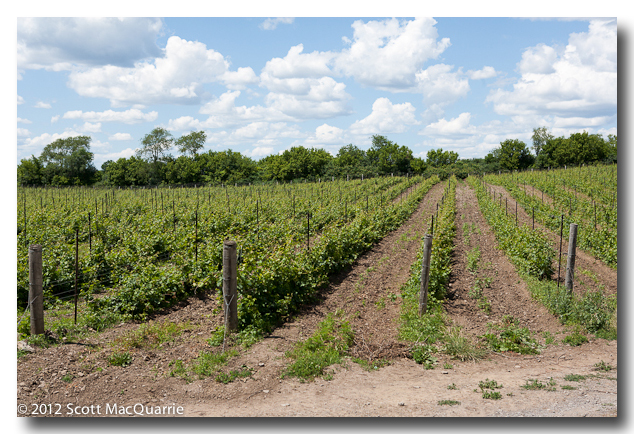
I recently spent a very interesting weekend exploring Prince Edward County in South Eastern Ontario. I’ve been in this area before, as the Loyalist highway runs through here and it is a very scenic road. However, what I was not aware of is that this area has become quite prominent for Ontario wines. Now, this should be too surprising as I am not very much of a wine drinker. However, my father is a wine drinker and seems to know quite a lot about them.

He suggested we do a wine tour of Prince Edward County, which seemed like a great idea, so off we went to spend the weekend in wine country. I, of course, took my camera as I (correctly) suspected I was the designated driver for this trip :-).

It turns out that an old friend of his, Bob Granger, owns a winery in the area. We ended up visiting there on Saturday and my father had the opportunity to catch up on old times. The winery, called The Grange, is one of the larger of the now 30 some odd wineries in the area.When he started the winery, there were only three, which shows how much the industry has developed.
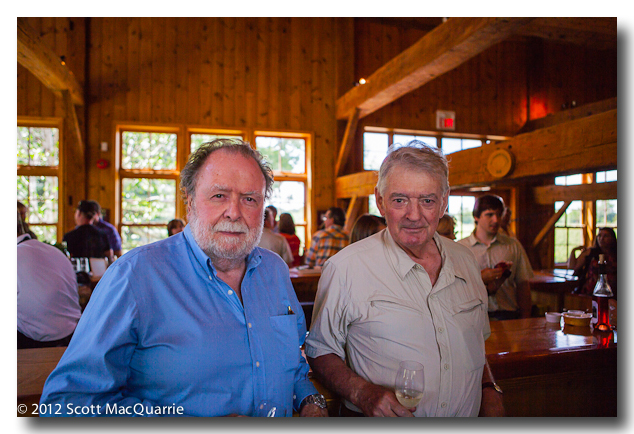
Two old Friends
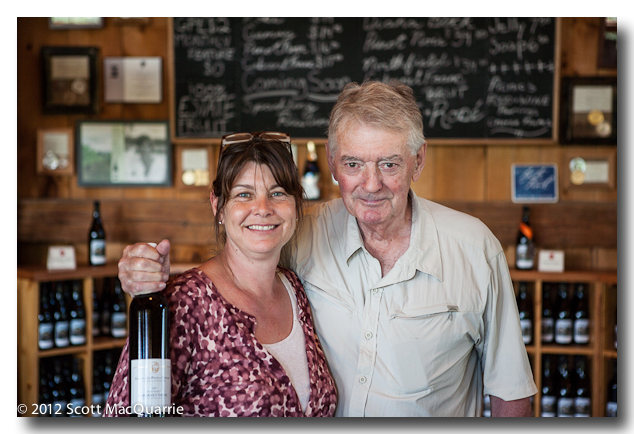
Caroline, his daughter, now runs the winery, but Bob is certainly still involved.
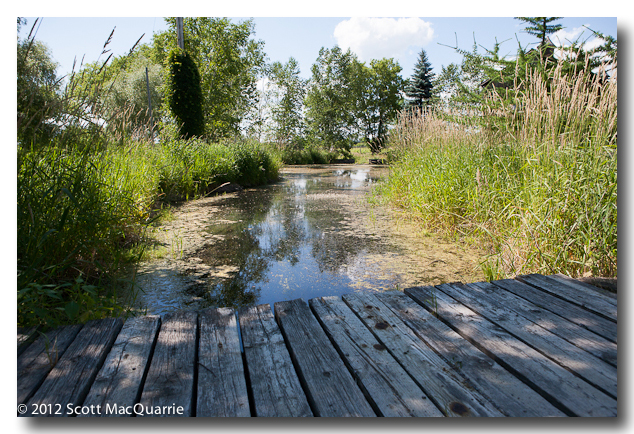
Can’t resist a good landscape shot :-)

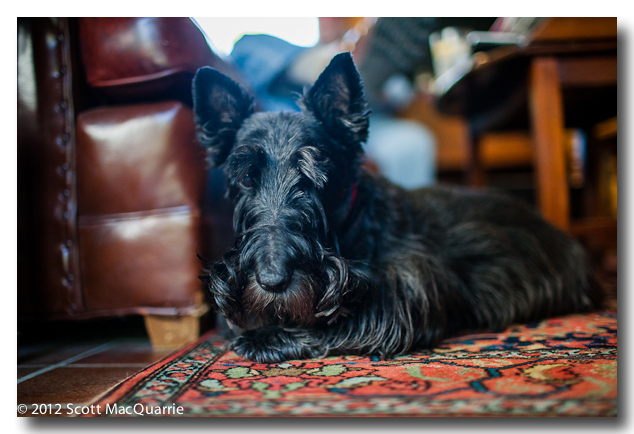
The Granger’s Dog.

[For some reason, I don’t have any photos of Diana, Bob Granger’s wife. Sorry for the oversight. I guess I’ll just have to come back and take more :-). ]

We spent a great afternoon simply visiting and didn’t end up seeing any more wineries that day. However, we did go out for an excellent dinner at the East & Main Bistro in Wellington, Ontario. A very well-run restaurant that is well worth the trip, just by itself.

The next day started with an excellent breakfast at the B&B, called Ayla’s, and they were nice enough to steer us towards a coffee house in the area called The Agrarian. Espresso in the morning is a must :-).

We spent the remainder of the day exploring the local wineries and tasting the quality of the local work (Well, my father did the tasting, I enjoyed it vicariously :-) ).

We did stop for lunch at the Norman Hardie Winery and discovered they also offer some wonderful thin crust pizza that is simply outstanding.
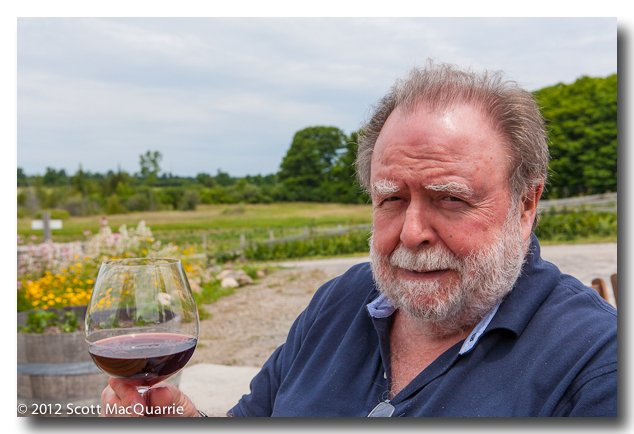
The expert at work….

I have not done a wine tasting tour before, so this was a new experience and a lot of fun. In fact, I had such a great time; I am already considering doing it again.


Continue Reading

prints
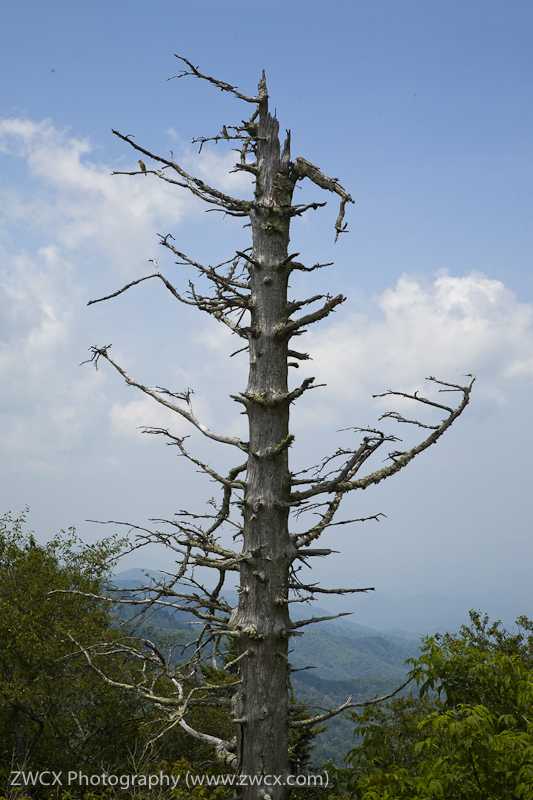
Blue Ridge Parkway

August 26, 2011

Blue Ridge Parkway

By Scott MacQuarrie | Published August 26, 2011

Blue Ridge Parkway


Here is another print candidate for your review. I’ve been getting a lot of solid feedback on these works I’m putting up. So much that I have been wondering why I haven’t done this before. Thanks to everyone you contacted me about these print candidates.


Continue Reading

personal
Nova Scotia Portraits

July 28, 2011

Nova Scotia Portraits

By Scott MacQuarrie | Published July 28, 2011

Nova Scotia Portraits


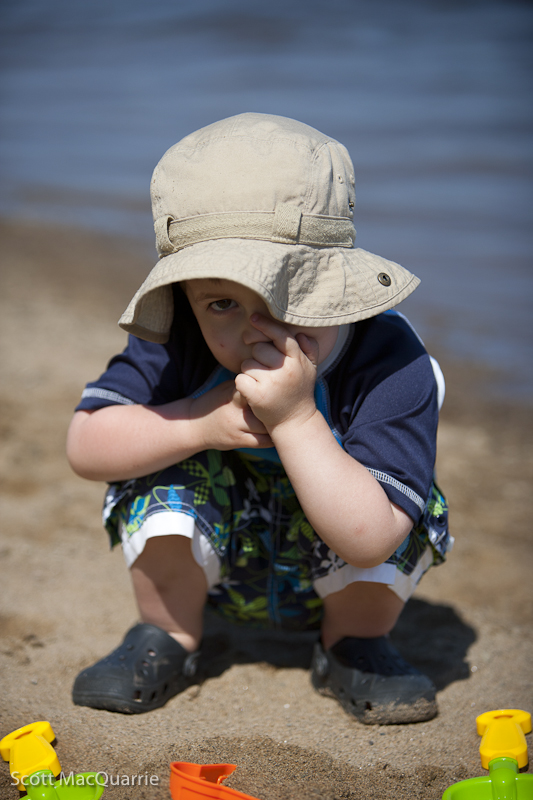
A couple of weeks ago I was in Nova Scotia for a family event and I took the opportunity to create a few portraits.  I also did some landscape photography (what a surprise),  but that it going to wait for another post.


Here is my favorite shot of the trip


Andrew at the Beach


Continue Reading

prints
Robert the Bruce, Bannockburn, Scotland

July 17, 2011


Robert the Bruce

By Scott MacQuarrie | Published July 17, 2011


Robert the Bruce


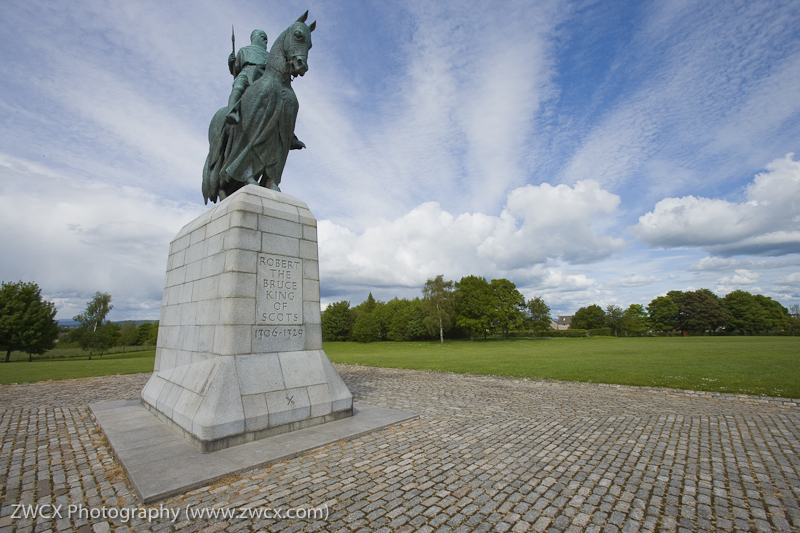
This is a print candidate from a trip I did to Scotland. This is the Robert the Bruce Monument in Bannockburn, Scotland. This is the site of one of the most important battles in Scottish history.

I get asked this fairly often, but this was the actual sky when I took the picture.

I hope you like it.


Continue Reading

personal  /  pets  /  prints
Zippy

July 13, 2011


Zippy

By Scott MacQuarrie | Published July 13, 2011


Zippy

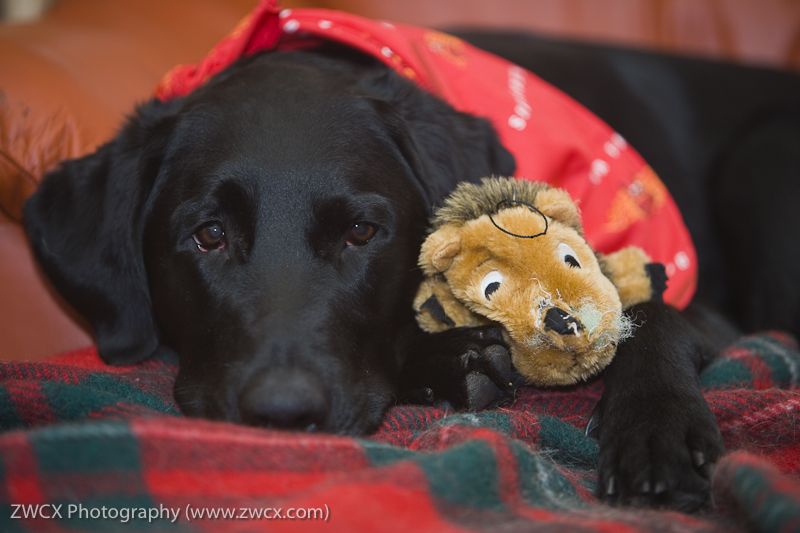
This is Emiliano “Zippy” Zapata and a friend of his, the hedgehog. The Hedgehog has no stuffing because a security dog taught him to remove the stuffing from his toys. Now he thinks it needs to be removed. Zippy is 130 lbs Lab/Rottweiler,  so if he wants to remove the stuffing from his toys – he can.:-)

A Print candidate for my collection, so I would love to hear feedback from people about this print (Of course, the ultimate feedback is ordering a :-)

Zippy and friend


Continue Reading

personal
Wild Water Kingdom

July 6, 2011

Wild Water Kingdom

By Scott MacQuarrie | Published July 6, 2011

Wild Water Kingdom

Well, it was recently the long weekend for Canada and the US. For the US, it’s July 4th and for Canada it’s July 1st, both national holidays for roughly the same reason (The US fought a war, while we simply asked to form a country of our own – It’s a Canadian thing :-) ).

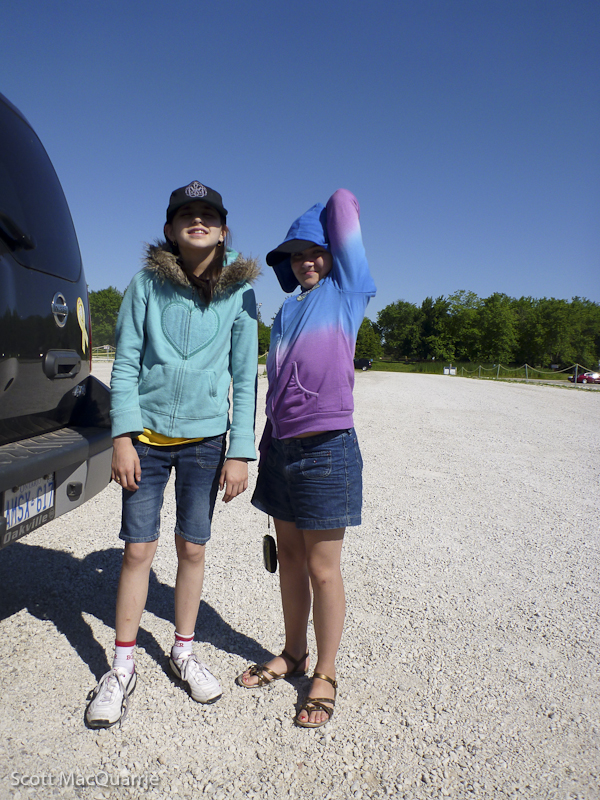
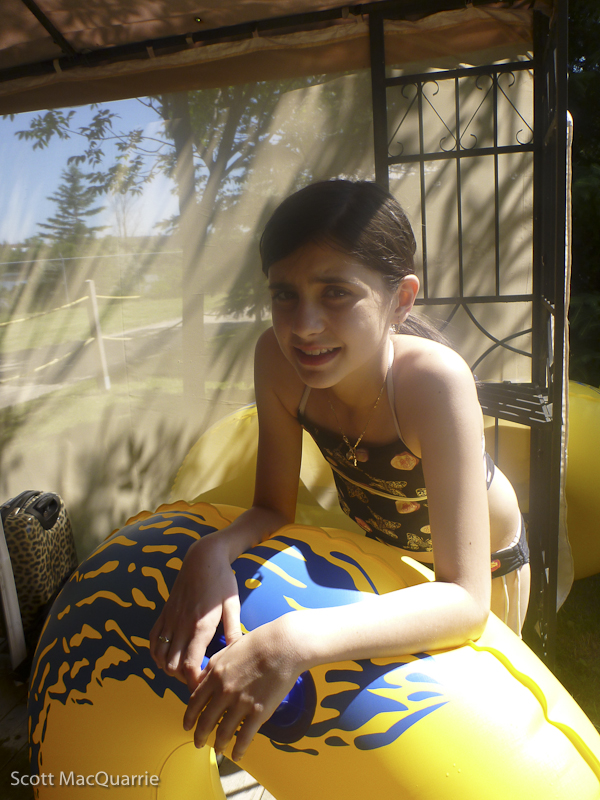
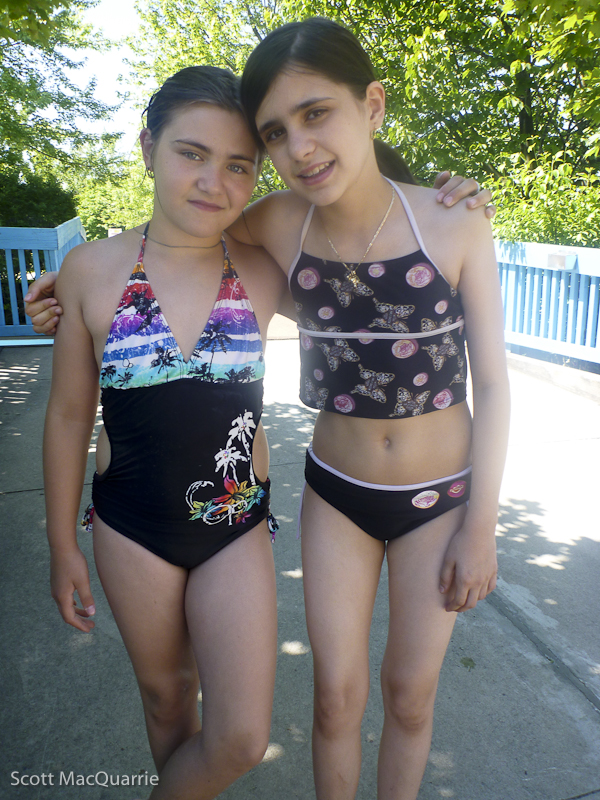
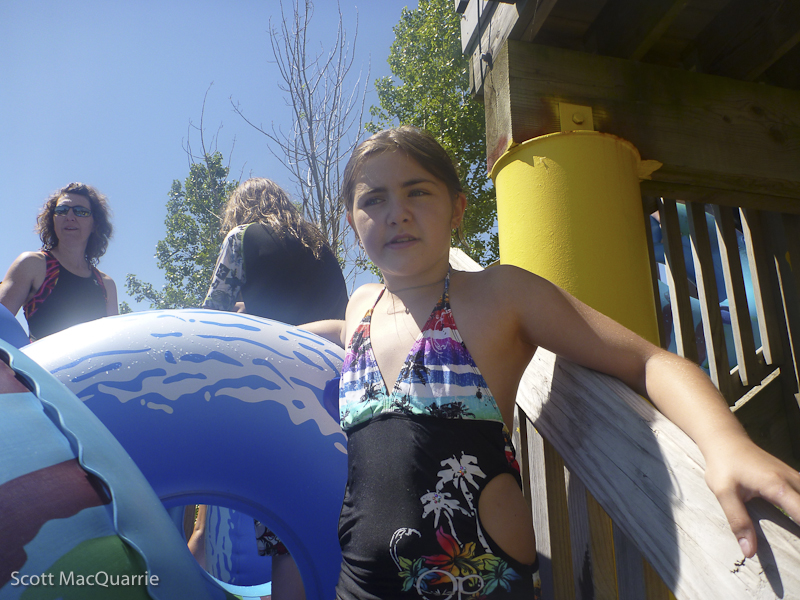
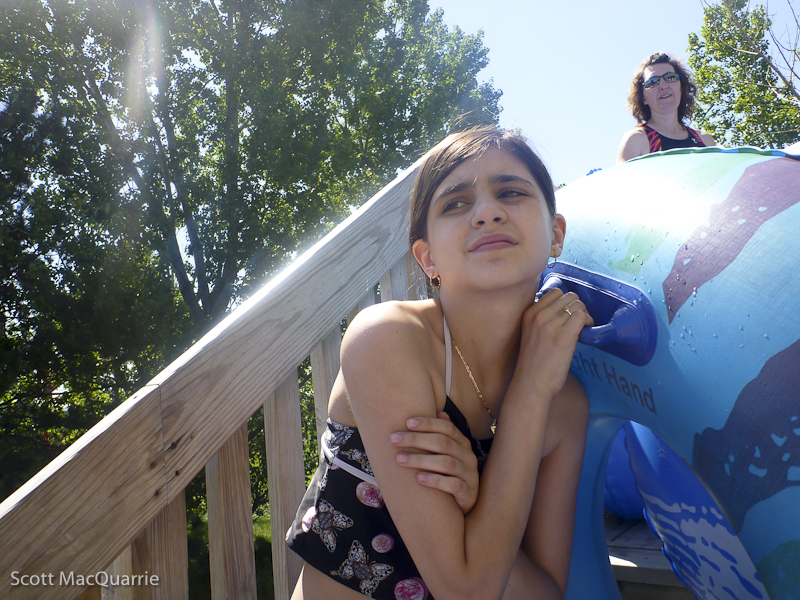
This long weekend also had the added adventure of a visit of my nieces from Montreal to Toronto. So….we decided to visit Wild Water Kingdom and spend some serious fun time around the water. This also gave me a  chance to try out my latest camera, the Panasonic Lumix DMC-TS3.

This is a hardened camera that is waterproof to 2m, shockproof, vibration proof – and can shoot HD video. It also has a built-in GPS, so I thought it might make a very good multi-purpose scouting camera and for shooting in rough conditions. Wild Water Kingdom seemed like a great time to test it out.

Alex and Genny arrive

The preparation begins….

……Not so patiently waiting….

Ready

Waiting for the Giant water slide

..More waiting….

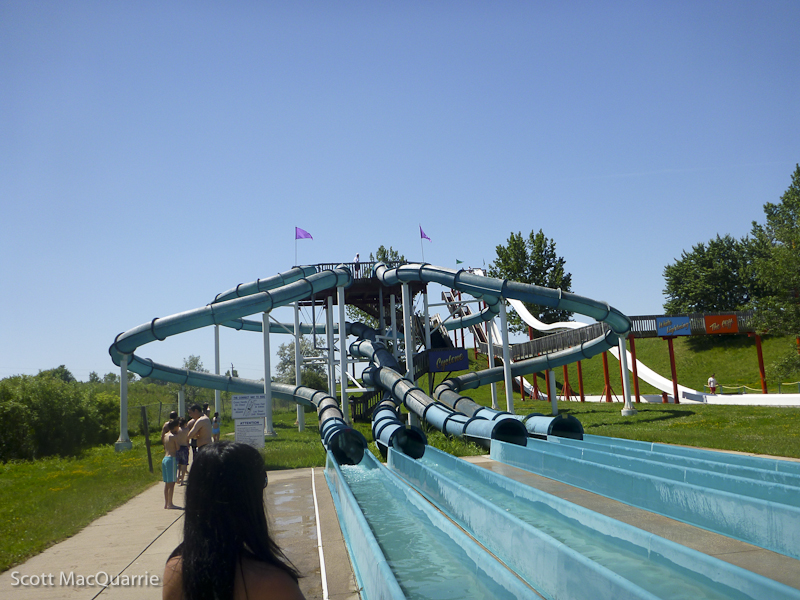
Some of the slides

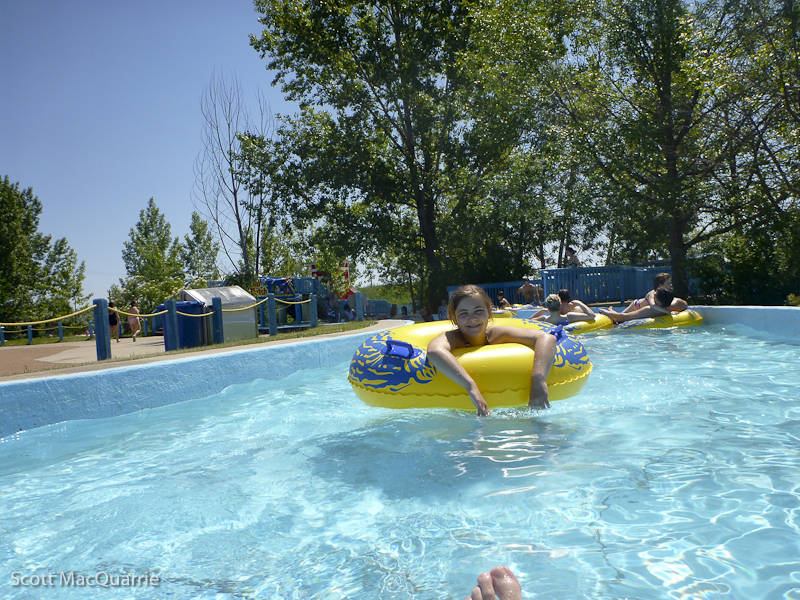
Tubing

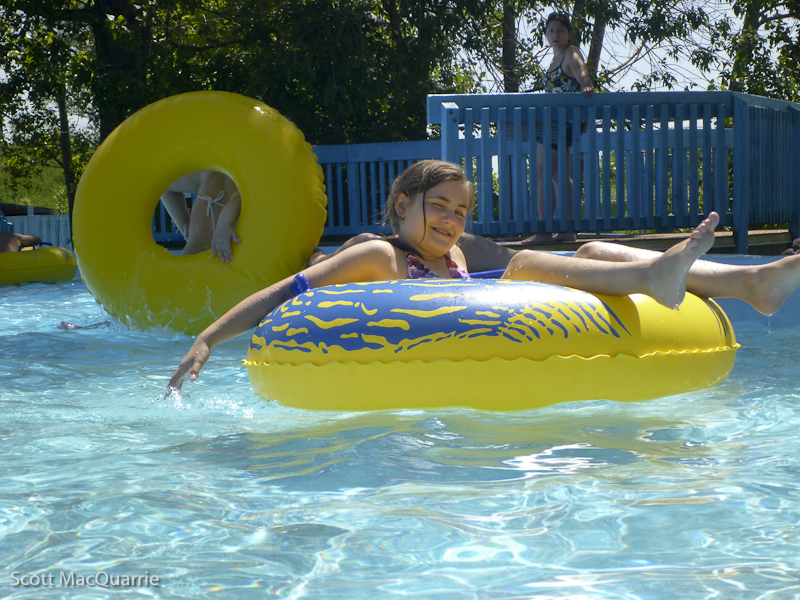
Trouble

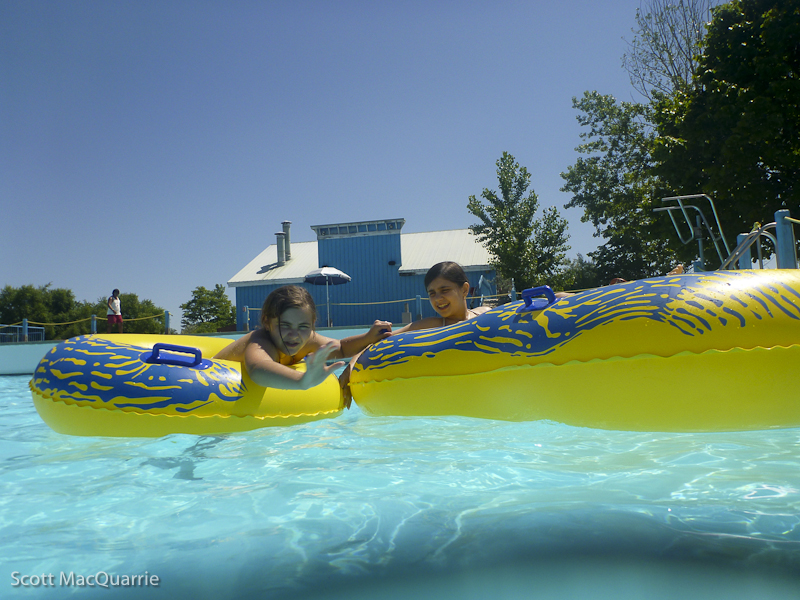
Trouble times two

This little adventure was a lot of fun and the Lumix proved itself to be a great carry around camera for casual shooting – AND you don’t have to worry about water, dust, or anything. It happily lives in your pocket regardless of where your pocket may be going.

Continue Reading

prints
Cell

June 23, 2011

Cell

By Scott MacQuarrie | Published June 23, 2011

Cell

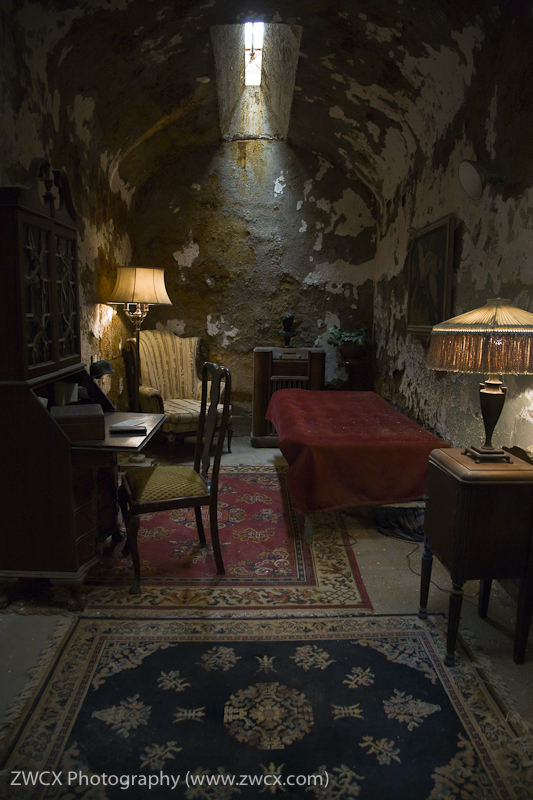
Here is another photograph of mine that I am considering adding to the print collection. Any comments, either positive or negative is greatly appreciated.


Cell

Al Capone’s Cell in Eastern State Penitentiary

Continue Reading

prints  /  training
Free print

April 11, 2011


Free Print

By Scott MacQuarrie | Published April 11, 2011


Free Print


I had a very unusual event happen to me last month. I’ve been meaning to blog about it but haven’t until now. No good reason for it, just the general overhead of life, in general, getting in the way

Nat Coalson is a great photographer, based in Colorado, who shoots a lot of travel and nature photography. He is also quite good with Lightroom. In fact, he runs quite a few seminars on Lightroom and digital workflow. He’s even written a book on it, which I’ll discuss in a bit.

So, he and I are friends on Facebook, and he recently started a Facebook fan page. I eventually bumped into and hit the magic “like” button. A couple of days later, I can an email from Nat asking if I had “liked” his fan page around a certain time. Man, I think, I must be the only person who can get themselves in trouble by “like”ing a page. I admitted I did, and he informed me that I was the 500th person so Like his fan page, and he wanted to send me a print.

Well, how cool is that? I have given away and sold prints myself,  even bought some, but I have never been given one.

So, I surfed over to his website and spent a fairly long period looking through his prints to decide on the one I liked. After picking one and letting Nat know, He printed off a 16×24 print and mailed it to me.  This was one well-packaged print that was immune to the best efforts of both the Canadian and US postal services to do it some damage.

I’m now in the process of getting it framed and up on the wall. Thanks, Nat.

Interestingly, it showed me how personal the giving of a print was to the recipient.  The value of this print to me is not the dollar value of the print, but the tie and effort Nat put in to create it and then to print it just for me. It showed me something I have not thought about, which is the value perceived in being given a print.

You can find Nat Coalson’s FB page here.

His main website is located here.

This is the print I selected; it’s of Banks Peninsula in New Zealand. I’ve been lots and lots of places, but not yet to New Zealand, so it’s a bit of a motivator for me.

If you want to see the rest of his New Zealand Pictures, just click on the image. (Nat, I hope you don’t mind me putting a tiny thumbnail here of the image).

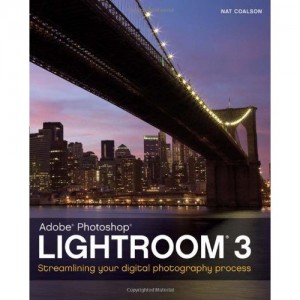
Now I mentioned earlier that Nat Coalson is also pretty good with Lightroom. In fact, he has written an excellent book on Lightroom and Lightroom workflow. I purchased it, and I like it’s approach to Lightroom, which lots of ideas for improving your workflow and getting more efficient with your post-production work.

Here is the cover:


You can find it on Amazon here or by clicking the image.


Continue Reading

awards
PPOC Image Salon Award

April 4, 2011


PPOC Image Salon Award

By Scott MacQuarrie | Published April 4, 2011


PPOC Image Salon Award


Well, I just got word last night that one of my photographs was accepted into the PPOC Image Salon. This is a national contest amongst the members of the Professional Photographers of Canada (PPOC).  Since you are up against other professional photographers, the competition is serious and intense. There are people that spend all year planning their entries.

I have a love/hate relationship with contests. I hate the competitive (and political) element, but I love the feedback from entering. The PPOC  contest includes the option for an audio commentary on your work fro the judges. I think the commentary alone is worth entering the contest. Constructive feedback about your work is invaluable to improving both your work and its direction.

As part of the contest, my work will be included in a book released every year.

You can find out more about the PPOC here.

Here is my winning photo. I’d love to hear your feedback on it as well.

I’d love to hear you feedback on this piece.

– Scott –


Continue Reading

personal
Montreal

March 4, 2011


Montreal

By Scott MacQuarrie | Published March 4, 2011


Personal Work


Montreal


One of the enjoyable, but important, tasks as a photographer is personal work. For an enthusiast, this may be your primary photographic activity. As a professional, this is the often-overlooked task, of self-assignment. It’s critical for developing skills and for stepping away from the grind and pressures in a professional shoot.  Professional photographers are both business people and creatives. Personal work allows the creative side to express itself and recharge.

Personal work is an opportunity to explore and experiment without the constraints of a client’s shot list, theme ideas, and production schedules.  It is an opportunity to shoot the subjects you want to cover, shoot something that is unfamiliar to you, or simply to learn a new technique. Personal work is the key to your growth as a photographer.  Sometimes its importance is simply its reminder of the reasons you got into photography in the first place.  We sometimes (often) forget to feed our creative side while dealing with the tasks, priorities, and demands required to run a business and make a living. That will eventually take its toll and negatively impact your abilities as a photographer.

For enthusiasts, defining and developing personal work is the key to developing as a photographer. It helps you develop your ability to express yourself photographically. It helps you develop both your vision and your photographic vision – and photography is not about the gear – it’s about the vision.

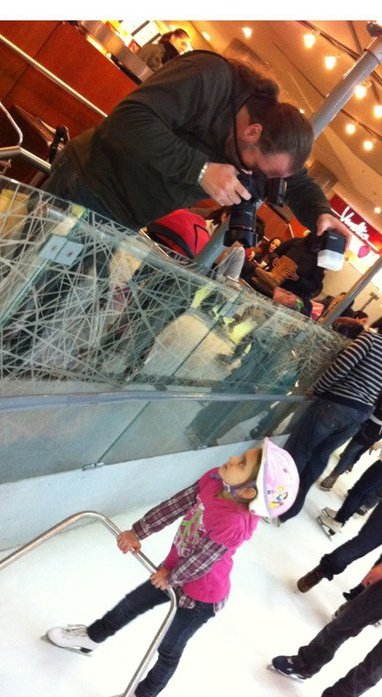
I used a recent trip to Montreal to experiment with my photography and capture some photographs of my nieces and grand-niece (Yep, grand-niece…hard to believe, but true.).

My niece, Alexandria, was having her 11th birthday, and we decided to make a party of it. This meant a simple afternoon of skating and a small party at a local restaurant. I decided the skating event would be a great opportunity for photos and some experimenting on my part. Since I am a complete disaster on skates and, at 6’4” and 240lbs a real threat by falling on someone, I decided not to skate, but to shoot from the sidelines. Not to mention, someone had to watch the coats.:-)

This created some interesting challenges for me:First, I was unable to move around the area to shoot. I was surprised how much I used my personal position to compose and create shots. It pointed out something I took for granted when I was working, which is the ability to move around while composing my work.

Second, the area was in indoor rink with low lights. This meant a bright white background of ice with poorly lit subjects. This was bad light in any one of a number of ways. The only really good thing about bad light is it forces you to take control of it or risk not getting any usable photos.

Third, the rink was crowded, which meant that many shots were impossible or interrupted by other skaters. This made it pretty well impossible for me to take any long shots.

I shot primarily in one area, as I was also guarding all the coats, bags and etc everyone had to leave while skating.  Besides the movement issue mentioned earilier, I was also shooting downward for many shots, as my area was a platform about 4 feet above the ice level.

As with any shoot, I brought several lens with me to handle different situations. Its hard to explain why you do this non-photographers, but I have found describing my camera bag as a toolbox and the lens as some of the tools seems to get the point across. On some shoots you only use a couple of them and on others you use everything. This became a try-everything shoot very quickly.

First my 70-200mm f2.8 lens, but this really didn’t work well, as the shadows were terrible and most of them turned into dark subjects on white background. The crowd of other skaters meant that any shot at a distance usually had someone skating  in front of it. Since skaters are pretty fast, it was impossible to judge when I would be able to shoot without someone in the way. I soon gave up on my 70-20

Next i used my 50mm f1.2, as it is a phenomenal low-light lens and very sharp.  I could deal with the light levels, but the light was basically flat and boring. I also found my inability to move a challenge for dealing with using a prime. Not being able to use my two-legged zoom was a real problem.  My raised position also prevented me from shooting form low angles to reduce the amount of white ice in the background. the added bonus of my subjects moving both close and far away from me, quickly convinced me to return this lens to the bag.


I normally use my 24-105mm f4 lens for outdoor work, as it excels there and my 24-70mm f2.8 for interior work where I will be using flash. Unfortunately, my 24-70mm was not with me. The 24-105mm is my workhorse lens and, once more, it proved itself when I needed it. The shadows, lighting, and contract meant I was going to have to take come control over the light myself, so the f4 limitation of the 24-105mm could be overcome. The extra f-stop of the 24-70mm can really come in handy at times, but not an option here.

I broke out my Canon st-e2 wireless controller and set my flash to slave. This allows me to control the light level with the flash and the lighting position by moving the flash around. Luckily, I have pretty big hands, so I can handle a Canon 1DS Mark III with one hand for extended periods. I work the zoom by using the back of my flash hand on the dial. Large hands come in handy here as well. You can see an example of all of the above in the photo at the top of this article – that would be my grand-niece tolerating some photography while she is trying to learn how to skate.

Once I had the off-camera flash going with the 20-105mm lens I was good to go. Light levels were no longer an issue, I could control the light direction at will, and my inability to move and the rapid movement of my subject could be handled by the zoom.


The results are in my gallery below, but this little personal project re-affirmed my belief in carrying a flexible amount of gear with you to deal with unexpected challenges while shooting.


p.s. Least anyone think that I have too many photos of Meagan, she was simply a slower target :-) .


Continue Reading

books
How to Shoot Reportage – book review

February 27, 2011


How to Shoot Reportage – book review

By Scott MacQuarrie | Published February 27, 2011


How to Shoot Reportage

Book Review


It’s a special honour to be asked to review the work of another photographer. In this case, I have been asked to review the latest e-book from Enzo Dal Verme.

Enzo Del Vermont is a Milan and Paris-based photographer who has shot for a wide variety of very well known magazine. Enzo has been doing this successfully for more than a decade, and his work has taken him all over the world. He writes with the voice of experience.

Based on these experiences, he has written a book called “How to Shoot Reportage.” (North American Shooters would better understand this as Editorial Photography).
Anyone who has worked in this area knows it’s a challenging business, to say the least. As an area I work in as well, so I know what Enzo is discussing.

Enzo writes in a very direct and factual manner that includes a lot of solid practical advice on how to operate in this area of photography. In fact, his style comes across initially as almost too straightforward, even simple. I found that reading the book a second time pointed out the insightfulness of his comments.

The book flows smoothly through the idea stage, trip preparation, shooting, and post-production, but also includes very useful business information along the way. Many of us forget the fundamental fact that we are a business first and photographers second. Ultimately, a successful project must raise enough money to support the photographer or have been supported by the previously successful project. It’s cold hard fact that a photographer who is spending more than they are making cannot be supported by photography alone.

His book is not long, 68 pages including pictures, but well worth the time if you are a professional photographer. In an interesting twist, I think this would be a very useful book for anyone planning a trip to a scenic location, as his travel photography suggestions apply to anyone with a camera.

You can reach Enzo’s website at www.enzodalverme.com

His blog is at: www.enzodalverme/blog

And, of course, the book is available at www.enzodalverme.com/blog/2010/12/how-to-shoot-a-reportage-the-manual/

…or from the front page of his website….

It’s available in:

1) epub format for 4.99 euros ($6.86 USD or $6.71 CDN)
2) PDF format for 8.59 euros ($11.82 USD or $11.43 CDN)
– More photographs included

According to his website, there is a print version coming in the future.

There is also a PDF chapter preview available if you’d like to look a little deeper before your purchase.

I recommend checking out his website and the purchase of this book. It’s a remarkable price for such a wealth of information.


Continue Reading

art
ART

February 18, 2011


ART

By Scott MacQuarrie | Published February 18, 2011


ART

I like Seth Godwin’s blog. It’s not directly related to photography, but many of his posts certainly relate to business and the business of photography. He often posts things that relate well to Art in general and today was an excellent example of that.

For myself, I have always defined Art as something created to invoke an emotional response in the viewer, but Seth’s definition works very well.

Seth’s Post:

Art is what we call…

the thing an artist does.

It’s not the medium or the oil or the price or whether it hangs on a wall or you eat it. What matters, what makes it art, is that the person who made it overcame the resistance, ignored the voice of doubt and made something worth making. Something risky. Something human.

Art is not in the eye of the beholder. It’s in the soul of the artist.

You can reach his blog here and read it directly, sign up for a feed, or have it emailed to you. For myself, his is one of a handful of blogs I get emailed to me directly, so I don’t miss them, even when I am not in a position to search the web (we used to call this traveling :-) ).


Continue Reading

events  /  training
Imaging USA 2011 – Conclusion

January 23, 2011


Imaging USA 2011 – Conclusion
By Scott MacQuarrie | Published January 23, 2011


Imaging USA 2011

Well, as all good things must, the 2011 Imaging USA conference has drawn to a close.

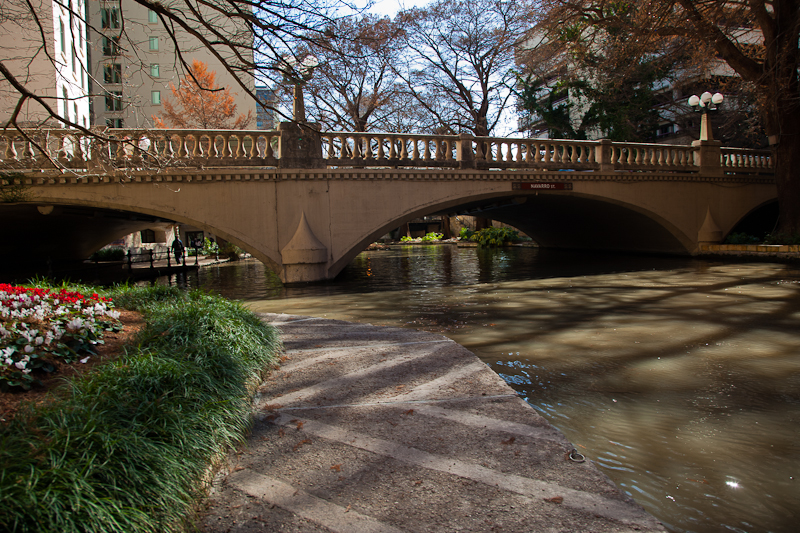
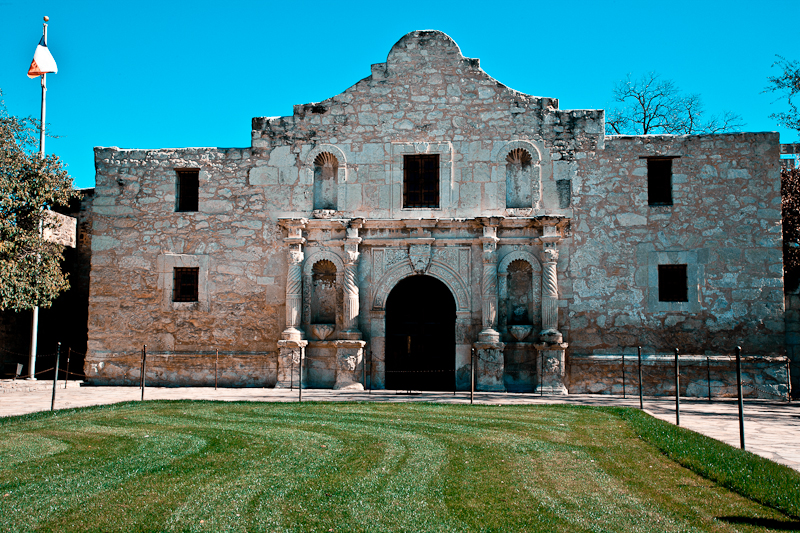
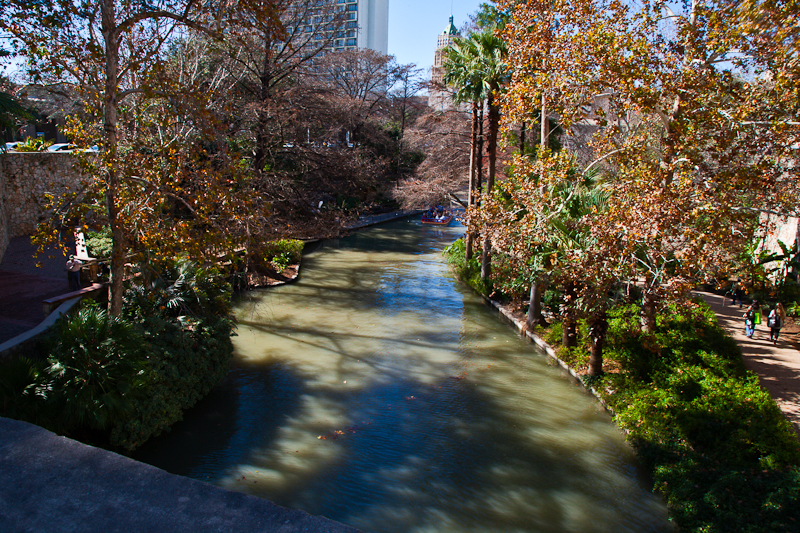
The weather in San Antonio has rally not been great, but today arrived with bright sunshine and warm temperatures.  Finally, a day to enjoy in San Antonio. My first seminar wasn’t until 1 pm, so I roamed along the Riverwalk to see what I could see. Today was the first exciting photographic day at the conference. The rest had been cold and foggy. Cold I can shoot in, but fog takes away a lot of details.

Just outside my hotel

The Alamo

Does your downtown look like this? It does in San Antonio

Seminars ran from 1 pm until 6:30 today, and I was planning on hitting all of them. For me, the seminars are the reason I come to this conference. The trade show is great, but it doesn’t make any sense to spend thousands of dollars traveling to try to save hundreds of dollars in purchases.

After the seminars, the closing party was held by Kodak. A wonderful event and followed the theme of the next conference – New Orleans. There was plenty of pulled pork and black-eyed peas to enjoy. The music was great, and a grand time was had by all.  I’m looking forward to New Orleans, as I have never been there, but it has always sounded like a fascinating place.

I am presently making my way back to Toronto, currently waiting in Chicago for my next chariot for the final leg of the journey.

Highlights of the conference:

  • Great speakers
  • Excellent opening and closing events.
  • Great location.

Low lights of the conference

  • Strange decision to not run seminars while trade show is running
  • Some seminar rooms were skinny and deep, which made it hard to see the stage. In fact, it felt like a hallway.
  • Too many great seminars happening at the same time.
  • Seminars starting at 7am to avoid the trade show – and then nothing but trade show until late afternoon.
  • United Airlines for ripping off the handle of my checked bag – thanks.

Recommendations

  • Run seminars and the trade show at the same time. The seminars are secondary to the trade show, so the trade should just deal with seminars happening at the same time.
    • This is a big one. To put it in perspective, I would still attend with no trade show, but I would pass if there were no seminars.

Next year, Imaging USA takes place in New Orleans. I have never been there, but this is also one of the four unique American cities according to Hemingway. I am definitely looking forward to it.


Continue Reading

events  /  training
Travelling to Nashville

January 9, 2010


Travelling to Nashville

By Scott MacQuarrie | Published January 9, 2010


Well, I managed to get through Toronto airport security. After the Xmas event, Canada decided to ban all carry-on luggage. Yep, get on the plane with nothing.

Well, almost nothing. You are allowed medical equipment, a very small purse, a book, a camera, and a laptop. I carefully read the new regulations and brought my laptop in a very small bag and decided to pack the camera. Although it states a camera is fine, I wasn’t sure how well my full sized Canon would be received.

I dutifully arrived three hours before my flight and slowly worked my way through security. The final search was a complete patdown by the RCMP.

Although the website clearly stated that briefcases needed to be checked, it seems the definition of a laptop case to be anything with a laptop in it. Hopefully, this silly rule will be lifted soon. Apparently we trust the Americans completely, as there is no limit on what they can bring in.

I am not happy

In Washington, I got off my little plane (feeder) walked into the terminal turned around, gave them my ticket, and walked back out to the planes. It was not the same plane but parked right next to it. This one is a little bigger, and the seats are more comfortable. Here I sit until Nashville, playing with my personal electronics, as I’ve read all my magazines.

All in all, I’m having fun.

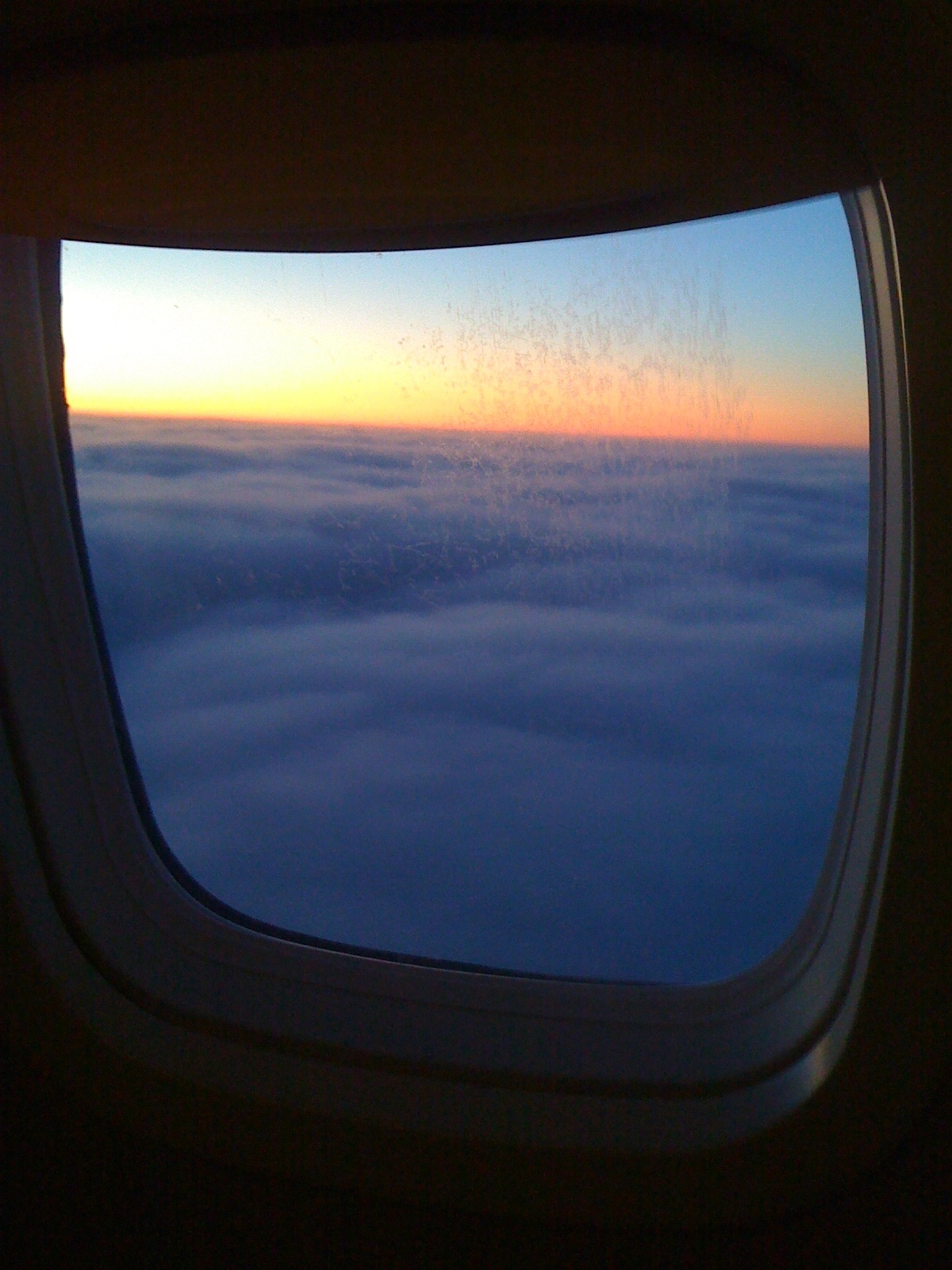
The View from the plane

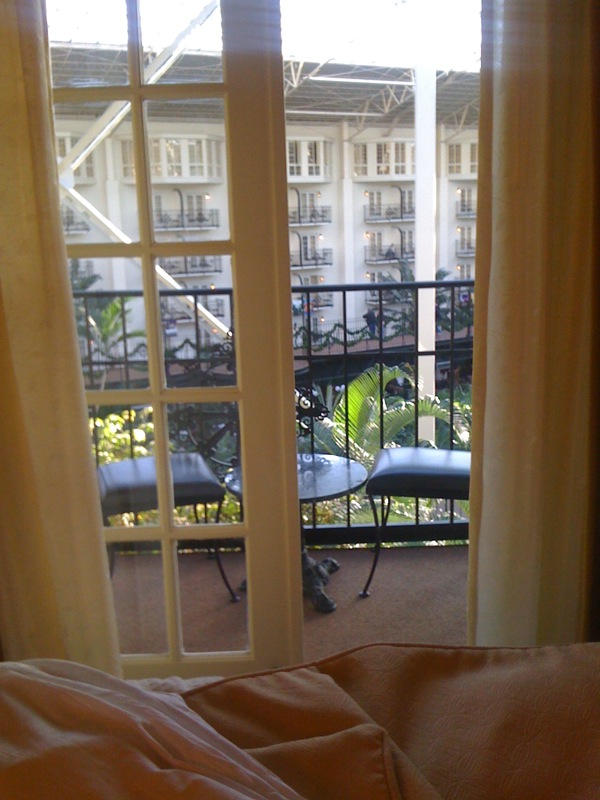
The view from my room


Continue Reading

Archive
American Photo Steps Up

August 19, 2009


American Photo Steps Up

By Scott MacQuarrie | Published August 19, 2009


Well, just when I thought the spirit of free speech had left the US publishing environment, American Photo magazine steps up to the plate. This month they had a cover story on controversial photography and matched the article by printing a selection of the work including the cover itself.

Now, these are not pornographic or even nudes, which turn up regularly in photographic magazines. These are controversial for all the right reasons, they expose a view that others may find uncomfortable or they portray the human condition in a less favorable light. In other words, they force us to look at ourselves or think about things we would rather pretend didn’t exist.

What I was also impressed with is they explained the background of the photograph and sometimes the price the photographer paid for presenting the work.

One of the most moving pieces is a picture of a little starving African girl trying to make it to a feeding station. A short distance behind her is a vulture waiting for her to fail. It’s a disturbing picture of what is probably an all too common occurrence in some parts of the world. After the shot, the photographer chased off the vulture and carried the girl into the station. This was not a posed work, but rather what he saw there and this was not the only starving person in the area

For his efforts, he received a well-deserved Pulitzer Prize, but also an unusual amount of abuse. For many people seemed to want to kill the messenger and blamed him for the situation, as if he was responsible for girl’s plight. Personally, I think people just hated being shown something they wanted to ignore, which is a fact that a lot of people on this planet are starving to death. To deal with this reality, people sent him death threats, nasty letters, and many other forms of scorn. Unfortunately, it turned out to be too much for him, and he committed suicide less than a year later.

Photojournalists have a difficult job. They need to travel horrible locations and face horrible situations with enough human compassion to capture a photograph that explains to the rest of us what’s happening there. Besides the physical risks involved, it also requires them to risk a lot of physiological damage. Conflict photographers are just as likely to get PSD (Post Traumatic Stress Disorder) as combat veterans.

American Photo is to be commended for presenting this work in a fair and balanced manner. To present, it all is probably a challenge, as I expect they will be receiving nasty letters from a variety of special interest groups. Hopefully, they will continue to step up and show this type of work.

The self-censorship of the modern press is disturbing and dangerous. The desire to avoid controversial subjects or views in the interests of maintaining audiences or market share or advertisers risk losing the freedom of the press that was fought for in the first place. It’s not safe speech, commonly held views or government approved statements that need to be protected – even the most repressive regime allows this already. It’s the dangerous speech, the speech that offends some and makes others think that needs to be defended. This is the type of speech that needs a Charter of rights and freedoms or a bill of or rights or the protection of high courts. This is the speech that tells us what’s happening and makes us consider what should happen. This is the speech that gives us the knowledge to vote properly and forms the foundations of a free and just society. Without it, we are nothing.

As Voltaire said a long time ago “I may not agree with what you’re saying, but I will fight to the death for your right to say it.”

Here’s to American Photo for doing their bit to maintaining this freedom and this tradition.


Continue Reading

12
Page 2 of 2
  • Recent Posts

    • RAW Toronto CUSP Art Show – Feb 16th
    • RAW Artists Toronto Show
    • Latest Show – Avery Gallery, Marietta, GA
    • X-Rite Campaign for Breast Cancer Research
    • New Headshot!
  • Archives

    • February 2017
    • November 2016
    • October 2016
    • June 2016
    • April 2016
    • January 2016
    • January 2014
    • December 2013
    • September 2013
    • May 2013
    • April 2013
    • March 2013
    • January 2013
    • November 2012
    • June 2012
    • August 2011
    • July 2011
    • June 2011
    • April 2011
    • March 2011
    • February 2011
    • January 2011
    • January 2010
    • August 2009
  • About Me

    “Not all who wander are lost"
    J.R.R Tolkien

    A professional photographer, based in Oakville, Ontario, who explores the world while trying to bring back work to share the experience.

  • Follow Me On


/!\ error getUserIDFromUserName. /!\ error empty username or access token.
© Copyright ZWCX Photography


Loading Comments...